Collision services
Every service below is one stage of a coordinated repair plan. Start anywhere — the plan connects them.
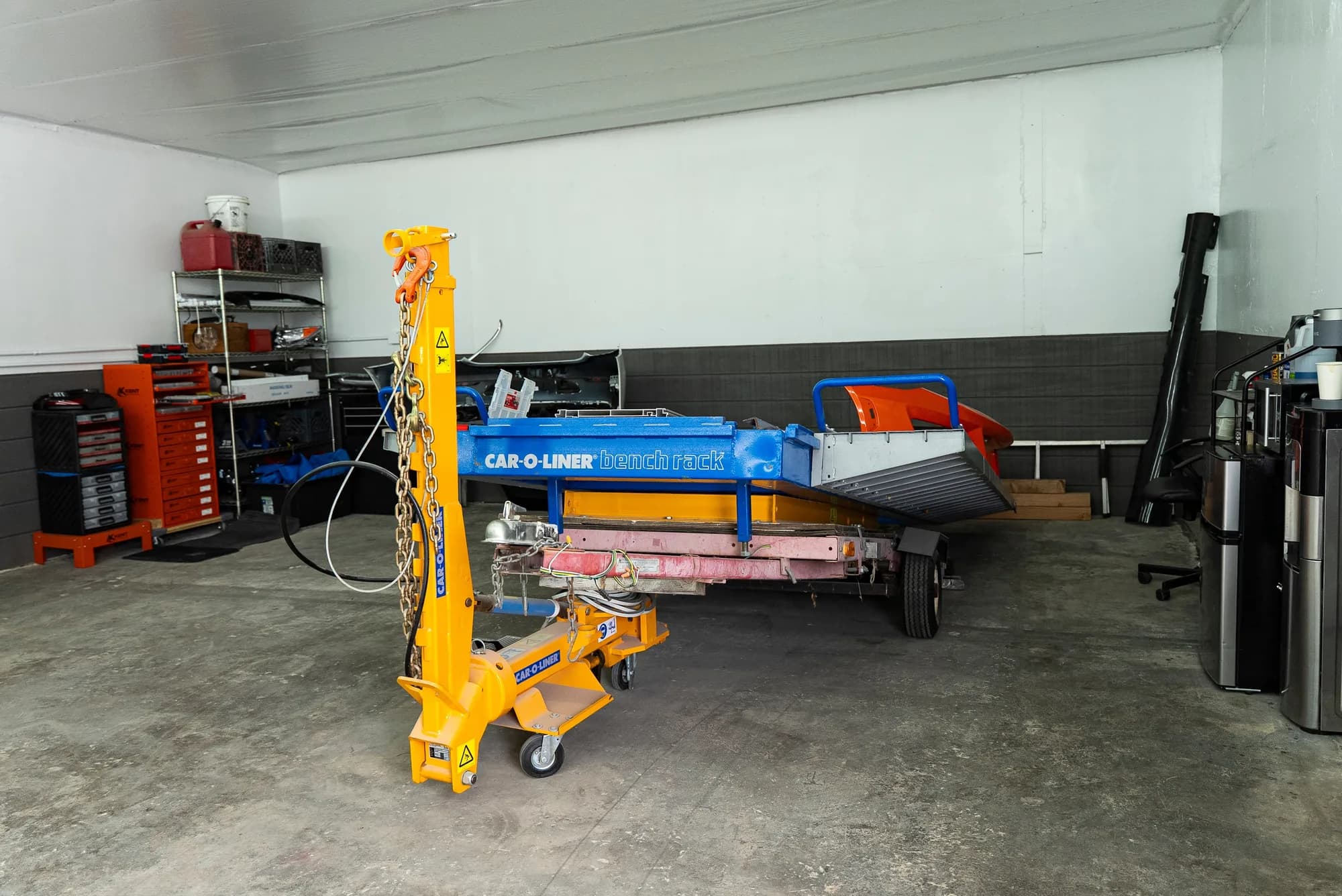
Collision Repair
Complete accident repair, coordinated from the first photo to final delivery — estimate, repair plan, insurance communication, body, paint, and quality control.
Photo pending — reassembly
Auto Body Repair
Panel repair and replacement, gap and fit correction, and corrosion protection — the craftsmanship layer of every collision repair.
Bumper Repair
Bumper repair and replacement with attention to what's behind the cover: sensors, radar, brackets, and energy absorbers.

Dent Repair
From door dings to panel damage — evaluated for the least invasive repair that restores the panel properly.

Paint & Refinishing
Color matching, controlled booth refinishing, and blending — so the repaired area reads as part of the car, not a patch on it.

Structural & Frame Repair
Measured, documented structural repair — because everything else on the vehicle depends on the structure underneath it being right.
Photo pending — scanning-calibration
Scanning & Calibration
Pre- and post-repair diagnostic scanning, plus calibration of driver-assistance systems when required by the repair plan.
Photo pending — scanning-calibration
EV Collision Repair
Electric and hybrid collision repair handled with high-voltage awareness, battery-conscious planning, and vehicle-specific repair information.
Collision repair services in North Hollywood, explained honestly
Every service on this page is one stage of a single, coordinated repair plan — that's the difference between a body shop that fixes panels and one that manages repairs. When your vehicle arrives at our North Hollywood facility, the damage is documented, a written estimate sets the starting point, and the plan grows from evidence: disassembly and blueprinting reveal what the impact actually did, and every operation that follows — structural repair, auto body work, paint and refinishing, scanning and calibration — happens because the vehicle's own repair information says it should.
That discipline matters more every model year. Modern vehicles mix ultra-high-strength steel, aluminum, and composites; carry cameras and radar in their bumpers and windshields; and increasingly run on high-voltage powertrains that change how a shop must work. Our EV collision repair page covers what's different about electric vehicles, and our vehicle directory explains how repair planning changes brand by brand.
From door dings to structural damage
The range runs from cosmetic to structural. Dent repair covers everything from parking-lot dings — evaluated for paintless repair where the finish is intact — to panel damage that needs conventional repair and refinish. Bumper repair deals with the most commonly damaged part on any car, including the sensors and radar that live behind modern covers. Paint and refinishing is where repairs become invisible: color matched to your actual vehicle, applied in a controlled booth, blended so the eye can't find an edge.
At the serious end, structural and frame repair restores the geometry everything else depends on — measured against factory specifications before and after, with documentation you keep. And because a collision is rarely just metal anymore, pre- and post-repair diagnostic scanning brackets every repair with electronic evidence, with ADAS calibration performed when the manufacturer's procedures require it.
Who we do this for
Retail customers come to us directly and through insurance claims — where you choose the shop, we document the repair, and coverage decisions stay with your insurer, explained without the runaround on our insurance help pages. Southern California dealerships use the same shop through our dealer reconditioning program: wholesale accounts, pickup and drop-off, and recon work that gets trade-ins frontline-ready. Either way, the standard is identical, and it starts with an estimate or a scheduled inspection at 7114 Laurel Canyon Blvd. in North Hollywood.
Let's understand the damage and determine the next step.
Photos are enough to start. A written preliminary estimate, a clear explanation, and no pressure.